Welcome Message
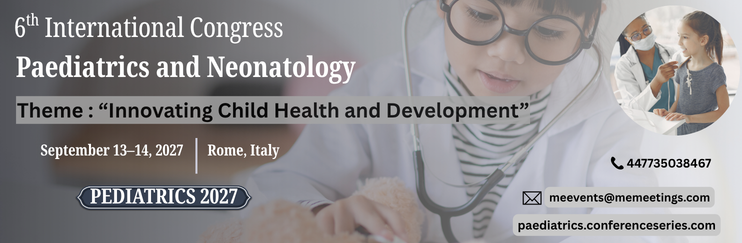
It is our great pleasure to welcome you to the 6th International Congress on Paediatrics and Neonatology, taking place on September 13–14, 2027, in Rome, Italy. The congress will bring together paediatricians, neonatologists, paediatric surgeons, nurses, researchers, academicians, healthcare professionals and industry experts from around the world to share knowledge, clinical experiences and scientific advancements in child and new born healthcare. The congress will explore important developments in neonatal intensive care, prematurity, paediatric critical care, cardiology, neurology, infectious diseases, nutrition, respiratory medicine, developmental health, genetics, paediatric surgery and digital healthcare. The meeting will also provide opportunities to present research, discuss challenging clinical cases, discover emerging technologies and build international professional collaborations. With the theme “Innovating Child Health and Development,” the congress emphasizes the importance of innovation, early intervention and compassionate care in improving outcomes for new born and children. Through keynote presentations, oral and poster presentations, interactive discussions and networking opportunities, we invite you to join us in Rome for an enriching scientific experience dedicated to advancing paediatric and neonatal medicine.
About The Conference
The 6th International Congress on Paediatrics and Neonatology, scheduled for September 13–14, 2027, in Rome, Italy, is an international scientific gathering focused on advancing paediatric, neonatal and child healthcare. The congress will connect healthcare professionals, researchers and academic experts to discuss current challenges, clinical developments and innovative approaches in the field. The scientific program will cover neonatal intensive care, premature and low-birth-weight infants, paediatric cardiology, neurology, infectious diseases, emergencies, nutrition, respiratory disorders, gastroenterology, haematology and oncology, endocrinology, allergy and immunology, nephrology, paediatric surgery, genetics and developmental medicine. The congress will also highlight artificial intelligence, digital health, telemedicine, precision medicine, advanced diagnostics and emerging medical technologies that are transforming paediatric and neonatal care. The theme “Innovating Child Health and Development” reflects the conference's focus on applying new ideas and technologies alongside early diagnosis and patient-centred care. Participants will have opportunities to present research, exchange clinical knowledge, interact with international experts and establish academic and professional collaborations. Hosted in Rome, the congress will combine scientific learning, networking and professional development while promoting innovative approaches toward better health outcomes for children and newborns worldwide.
Benefits of Participation
-
Opportunity to present original research and clinical findings.
-
Learn about emerging developments in paediatrics and neonatology.
-
Exchange knowledge with international experts and healthcare professionals.
-
Develop professional and academic networking opportunities.
-
Explore innovative diagnostic and therapeutic technologies.
-
Receive feedback from researchers and experienced clinicians.
-
Strengthen international research and institutional collaborations.
-
Improve professional visibility within the global pediatric community.
-
Certificate of participation/presentation will be provided to eligible registered participants.
-
Opportunity to participate through oral, poster, workshop, webinar and e-poster formats.
Sessions and Tracks
This area focuses on advanced care for critically ill new born and premature infants. Experts can discuss modern approaches to neonatal stabilization and monitoring. Attention will be given to respiratory support and management of neonatal complications. Evidence-based approaches to improving survival and reducing morbidity will be explored. Participants can examine innovations in NICU technologies and clinical decision-making. Multidisciplinary approaches involving neonatologists, nurses and allied professionals will be encouraged. Research on neonatal outcomes and quality improvement will also be highlighted. Emerging monitoring technologies and personalized neonatal care will receive attention. The overall focus will be on safer, more effective and compassionate neonatal intensive care.
Prematurity remains a major challenge in neonatal medicine and child health. This area will examine advances in the management of preterm and low-birth-weight infants. Discussion will include respiratory, nutritional and developmental support. Researchers can present evidence on improving outcomes among extremely premature new borns. The importance of maternal and neonatal interventions will also be considered. Innovative approaches to reducing complications associated with prematurity will be explored. Long-term neurodevelopmental outcomes will receive scientific attention. Participants can exchange experiences in specialized neonatal care. The focus will remain on improving survival, development and quality of life.
This area will explore contemporary diagnosis and management of cardiovascular conditions in children. Congenital heart diseases and acquired cardiac disorders will be discussed. Advances in paediatric cardiac imaging and diagnostic techniques will be highlighted. Experts can share developments in interventional and surgical approaches. Early diagnosis and multidisciplinary management will be emphasized. Research into pediatric cardiac outcomes can support improved clinical decision-making Innovations in monitoring and minimally invasive procedures will also be explored. Participants can exchange knowledge about complex pediatric cardiac conditions. The goal is to promote comprehensive and patient-centered cardiovascular care.
This area focuses on neurological conditions affecting newborns, infants and children. Experts will discuss epilepsy, developmental disorders and childhood neurological diseases. Early identification of developmental concerns will be emphasized. Advances in neuroimaging, genetic testing and neurological assessment will be explored. Research on brain development and childhood neurological outcomes will be encouraged. Innovative approaches to neurorehabilitation and supportive care will be considered. The role of multidisciplinary teams in managing complex neurological conditions will be highlighted. Participants can exchange research findings and clinical experiences. The overall objective is to improve early intervention and long-term neurological outcomes.
-
Paediatric epilepsy and seizures
-
Neurodevelopmental disorders
-
Paediatric neuroimaging and genetics
This area will address emerging and established infectious diseases affecting children. Experts can discuss advances in diagnosis, prevention and antimicrobial treatment. Vaccination and immunization strategies will receive particular attention. Emerging infections and antimicrobial resistance will be important areas of discussion. Researchers can present epidemiological and clinical findings from different regions. Approaches to infection control in pediatric and neonatal settings will be explored. The role of rapid diagnostic technologies will also be highlighted. Multidisciplinary strategies for protecting vulnerable children will be encouraged. The focus will be on improving prevention, early diagnosis and effective treatment.
This area will examine the recognition and management of acute paediatric conditions. Topics will include paediatric emergencies, trauma, shock and respiratory distress. Rapid assessment and evidence-based emergency interventions will be emphasized. Experts can share approaches to improving paediatric emergency preparedness. Innovations in monitoring, triage and critical care will be discussed. The importance of multidisciplinary emergency teams will be highlighted. Research on paediatric emergency outcomes can contribute to better clinical practice. Participants can explore technologies supporting rapid decision-making. The objective is to strengthen safe and efficient emergency care for children.
-
Paediatric emergency medicine
-
Paediatric trauma and resuscitation
-
Critical care monitoring
This area will focus on nutrition, growth and metabolic health throughout childhood. Experts will discuss nutritional needs from infancy through adolescence. Breastfeeding, complementary feeding and nutritional deficiencies will be considered. The management of malnutrition and childhood obesity will receive attention. Growth monitoring and early identification of nutritional problems will be emphasized. Research on micronutrients and developmental outcomes will be explored. Participants can discuss individualized nutritional interventions. Innovative approaches to paediatric nutrition assessment will also be considered. The aim is to support healthy growth and lifelong wellbeing.
-
Infant and child nutrition
-
Paediatric obesity and malnutrition
-
Growth and developmental assessment
This area will cover gastrointestinal and liver disorders affecting children. Experts can discuss modern diagnostic approaches for paediatric digestive conditions. Inflammatory bowel disease, liver disorders and nutritional complications will be explored. Advances in endoscopy and paediatric imaging will be highlighted. Research into gastrointestinal microbiota and childhood health will receive attention. Early diagnosis and individualized treatment strategies will be emphasized. Complex paediatric gastrointestinal cases can be discussed through multidisciplinary approaches. Emerging therapies and clinical research findings will be presented. The objective is to improve diagnosis, treatment and long-term outcomes.
This area focuses on respiratory health and pulmonary disorders in children. Asthma, respiratory infections and chronic pulmonary diseases will be discussed. Experts can examine modern approaches to pediatric respiratory assessment. Advances in respiratory support and non-invasive ventilation will be highlighted. Early diagnosis and prevention of chronic respiratory complications will be explored. Neonatal and childhood respiratory conditions will be considered across different age groups. Research into environmental influences on pediatric respiratory health will be encouraged. Participants can exchange clinical experience and evidence-based strategies. The focus will be on improving respiratory outcomes and quality of life.
-
Childhood asthma
-
Pediatric respiratory disorders
-
Non-invasive respiratory support
This area will explore blood disorders and cancers affecting children. Experts can discuss advances in diagnosis, treatment and supportive paediatric oncology care. Childhood leukaemia, solid tumours and haematological disorders will be addressed. Innovations in molecular diagnosis and precision medicine will be highlighted. New therapeutic approaches and clinical research findings will be explored. The importance of psychosocial support for children and families will be emphasized. Survivorship and long-term monitoring will also receive attention. Multidisciplinary paediatric oncology care will be encouraged.
The goal is to promote better treatment outcomes and quality of life.
-
Paediatric leukaemia and solid tumours
-
Precision paediatric oncology
-
Survivorship and supportive care
This area will focus on hormonal and metabolic disorders in childhood. Topics will include diabetes, thyroid disorders and growth abnormalities. Experts can discuss advances in endocrine diagnosis and monitoring. The impact of nutrition and lifestyle on paediatric metabolic health will be considered. Innovative technologies for diabetes management will receive attention. Early diagnosis of endocrine disorders can help prevent long-term complications. Research on childhood obesity and metabolic syndrome will be explored. Participants can exchange clinical strategies for individualized paediatric care. The focus will be on healthy growth and improved metabolic out comes
This area will address allergic and immune-related disorders in children. Experts can discuss food allergies, asthma-related allergies and immune deficiencies. Modern diagnostic testing and allergy assessment will be explored. Advances in immunotherapy and personalized treatment will receive attention. The role of prevention and early intervention will be emphasized. Research into childhood immune development will be discussed. Multidisciplinary management of complex allergic conditions will be encouraged. New approaches to improving paediatric quality of life will be presented. The goal is to strengthen diagnosis, prevention and long-term management.
This area will explore kidney and urinary disorders affecting children. Experts can discuss congenital, genetic and acquired paediatric renal conditions. Advances in renal imaging, laboratory testing and early diagnosis will be highlighted. Management of childhood hypertension and kidney disease will be examined. Research on chronic kidney disease and long-term outcomes will be encouraged. Paediatric urological conditions and minimally invasive approaches will also be discussed. Multidisciplinary care can support children with complex renal disorders. Emerging technologies and treatment strategies will be presented.
The objective is to improve renal health and long-term paediatric outcomes.
This area will examine children's cognitive, emotional, behavioral and social development. Experts can discuss developmental delays, autism and behavioral disorders. Early screening and intervention will be emphasized. The role of families, schools and healthcare professionals will be explored. Advances in developmental assessment and supportive interventions will be presented. Mental wellbeing and emotional health in children and adolescents will receive attention. Research on digital influences and childhood behavioral health can be discussed. Multidisciplinary approaches will support comprehensive developmental care. The focus will be on early support, inclusion and healthy childhood development.
This area will highlight modern surgical approaches for paediatric conditions. Experts can discuss congenital abnormalities, neonatal surgery and paediatric emergencies. Minimally invasive and image-guided procedures will be explored. Advances in surgical safety and perioperative care will be emphasized. Innovations in paediatric anaesthesia and postoperative management will receive attention. Research can address outcomes and recovery following paediatric procedures. Special attention will be given to neonatal surgical challenges. Participants can share experiences in complex paediatric surgical care. The goal is to improve safety, recovery and long-term outcomes.
-
Neonatal and pediatric surgery
-
Minimally invasive procedures
-
Pediatric perioperative care
This area will examine early identification of congenital and genetic disorders. Experts can discuss newborn screening and molecular diagnostic technologies. Genomic medicine is creating new opportunities for individualized pediatric care. Early diagnosis can help guide treatment and improve developmental outcomes. Advances in genetic counseling and family-centered care will be considered. Researchers can present findings from genomic and translational studies. Precision medicine approaches for rare pediatric disorders will be explored. Digital tools and advanced laboratory technologies will support diagnostic innovation. The overall focus will be on earlier diagnosis and personalized treatment.
This area will explore how technology is transforming paediatric healthcare. Artificial intelligence can support diagnosis, monitoring and clinical decision-making. Telemedicine and digital health tools can improve access to specialized paediatric care. Wearable technologies and remote monitoring will be examined. Experts can discuss the opportunities and limitations of AI in clinical practice. Data security and responsible use of paediatric health information will be important considerations. Research into digital interventions and technology-enabled care will be encouraged. Innovative medical devices for neonatal and paediatric applications will be highlighted. The goal is to promote safe, effective and responsible healthcare innovation.
This area will focus on preventing disease and improving health across childhood. Vaccination and preventive healthcare remain important components of pediatric practice. Experts can discuss strategies for reducing childhood morbidity and mortality. Global disparities in maternal, newborn and child health will be explored. Community-based interventions and public health strategies will receive attention. Research can address health equity and access to pediatric services. Nutrition, healthy lifestyles and early screening will also be considered. International collaboration can support stronger child-health systems.
The focus will be on prevention, health promotion and equitable paediatric care.
-
Childhood vaccination
-
Global child health and health equity
-
Preventive pediatric medicine
Market Analysis
The Global Paediatric hospitals market was estimated at approximately USD 160.44 billion in 2023 and is projected to reach approximately USD 236.03 billion by 2030, representing a CAGR of about 5.7% during 2024–2030. North America accounted for approximately 36.8% of the market in 2023, while Asia-Pacific is projected to be among the fastest-growing regions. The market is being supported by increasing demand for specialized pediatric services, advances in medical technology, growing access to specialist care, improvements in digital healthcare and the increasing need to manage complex pediatric conditions. Respiratory care represented a major therapeutic area, while gastroenterology was identified as a fast-growing segment in the cited market analysis

The neonatal infant care market was reported at approximately USD 3.4 billion in 2025 and is projected to reach approximately USD 5.0 billion by 2030, corresponding to a CAGR of around 7.9%. Rising demand for specialized newborn care and technological innovation in neonatal services are among the factors supporting market expansion. The infant incubator market was estimated at approximately USD 2.1 billion in 2024 and is projected to reach around USD 3.2 billion by 2030, growing at approximately 7.3% CAGR. Asia-Pacific represented about 36.5% of this market in 2024 and was projected to experience strong growth.
Participation and Presentation
-
Oral presentations are open to research-based, clinical, educational and professional topics related to pediatrics and neonatology.
-
Presenters can share original research, clinical experiences, innovative treatments, diagnostic approaches and emerging technologies.
-
The opportunity is open to pediatricians, neonatologists, physicians, researchers, academicians, nurses and healthcare professionals.
-
Presentations encourage scientific discussion and international knowledge exchange.
-
Participants can gain professional visibility while connecting with specialists from different countries.
Presentation: 20–25 minutes + Q&A
Keynote: 40–45 minutes
-
Workshops will focus on practical and advanced areas of pediatric and neonatal medicine.
-
Interactive demonstrations and case-based learning can support practical knowledge development.
-
Participants can explore modern diagnostic technologies and treatment approaches.
-
Experts can demonstrate clinical techniques and share professional experience.
-
Interdisciplinary participation will encourage collaborative learning and professional development.
Duration: 45–50 minutes
-
Poster presentations provide an opportunity to showcase original research, clinical studies, case reports, innovative treatments and emerging technologies.
-
The format is particularly suitable for students, researchers, clinicians and early-career professionals.
-
Presenters can communicate their findings in a concise and visually engaging format.
-
Participants can receive scientific feedback and interact directly with other researchers.
-
Poster participation can encourage networking and future research collaboration.
Presentation: 5–7 minutes including Q&A
-
Participants unable to attend in person can contribute through an approved online or pre-recorded presentation.
-
This format enables researchers and professionals from different countries to participate remotely.
-
Presenters can share research, clinical experiences and innovative ideas with an international audience.
-
It provides flexibility while supporting scientific participation.
-
Webinar presentations encourage global knowledge exchange and professional connectivity.
-
E-Posters provide a convenient digital format for presenting research findings, case studies, clinical innovations and emerging developments.
-
Accepted presentations can reach participants through the conference's digital platform.
-
Presenters can gain international visibility and receive professional feedback.
-
The format is useful for researchers who prefer digital scientific communication.
-
E-Poster participation can encourage networking and academic collaboration.
-
Advertising in the Pediatrics and Neonatology 2027 program provides visibility among pediatricians, neonatologists, researchers, clinicians, academicians and industry professionals.
-
Organizations can promote products, services, technologies and institutional activities.
-
Advertising can strengthen professional brand awareness within the pediatric healthcare community.
-
The congress provides a focused audience interested in medical and technological developments.
-
Organizations can use this opportunity to establish new professional connections.
-
Sponsorship provides opportunities for branding, scientific recognition, exhibition participation, networking and professional engagement.
-
Sponsors can increase visibility among international pediatric and neonatal healthcare professionals.
-
Organizations can highlight innovative products, technologies and services.
-
Sponsorship enables interaction with experts, researchers and industry representatives.
It can strengthen professional presence within the global pediatric healthcare community.
Past Conference
Previous editions of the international congress have provided opportunities for pediatric and neonatal professionals to exchange research findings, clinical experiences and emerging approaches in child healthcare. The scientific focus has supported discussion around neonatal medicine, paediatric diseases, critical care, diagnostics, treatment innovation and multidisciplinary healthcare. Building on this international experience, the 6th International Congress on Pediatrics and Neonatology 2027 is designed to broaden scientific interaction and encourage greater participation from paediatricians, neonatologists, researchers, nurses, academicians and healthcare organizations.
Upcoming Conference – 2027
The 6th International Congress on Paediatrics and Neonatology will be held on September 13–14, 2027, in Rome, Italy. The congress will bring together professionals from different countries to explore advances in new born and child healthcare, innovative diagnostics, modern therapies, neonatal technologies, preventive medicine and digital health. Rome offers a distinguished setting for an international medical gathering, combining professional engagement with a city recognized for its extensive historical and cultural heritage. Italy's official tourism portal highlights Rome's major historical attractions, including the Colosseum, Roman Forum, Pantheon, Trevi Fountain and Vatican area.
Abstract Submission and Visa Guidelines
Submit abstracts through the official Abstract Submission portal of the congress.
Abstracts should be written in English (250–300 words) and accompanied by a 100–120-word presenter biography. Abstracts are welcome in paediatric and neonatal fields including neonatal intensive care, prematurity, paediatric cardiology, paediatric neurology, infectious diseases, emergency medicine, nutrition, pulmonology, gastroenterology, haematology, oncology, endocrinology, allergy and immunology, nephrology, paediatric surgery, genetics, digital paediatrics and other related disciplines.
Presenting authors should provide:
-
Full Name
-
Institutional Affiliation
-
Country
-
Phone Number
-
Email Address
-
Photograph
Co-authors should provide their full names and institutional affiliations.
All submissions should undergo scientific review. Accepted presenters must complete conference registration and pay the applicable registration fee. Submitted information should be accurate because accepted details may be used in the conference program and proceedings.
The organizing committee does not process visa applications but may provide supporting documents for registered participants, subject to applicable conference procedures.
Supporting documents may include:
-
Letter of Invitation
-
Letter of Abstract Acceptance
-
Registration Payment Receipt
Official invitation letters should be issued only after successful registration and according to the organizer's requirements.
Participants may be required to submit:
-
Passport Copy
-
Date of Birth
-
Residential Address
-
Mobile Number
-
Photograph
Participants should check the latest Italian visa requirements with the appropriate Italian embassy or consulate in their country before making travel arrangements.